UGANDAN CLIMATE
Ugandan Climate
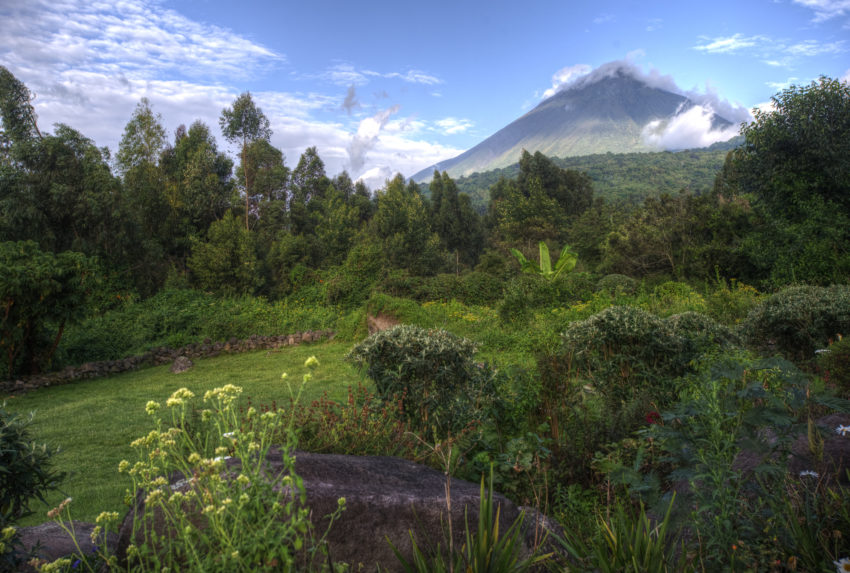
Uganda’s climate is generally described as tropical, but it is more moderate and comfortable than many people expect for a country located near the Equator. This is largely because of its elevation and varied landscape. Much of Uganda lies on a plateau at about 900–1,500 meters above sea level, which helps keep temperatures relatively mild throughout the year. Instead of extreme heat, most parts of the country experience warm days and cooler nights, making it suitable for both agriculture and tourism.
One of the most notable features of Uganda’s climate is its consistency. Temperatures do not vary dramatically between seasons. Average daytime temperatures typically range between 24°C and 30°C, while nights can be cooler, especially in highland areas. Regions around Kampala, for example, usually enjoy moderate conditions with occasional humidity due to their proximity to Lake Victoria. The lake itself has a strong influence on the surrounding climate, often increasing rainfall and humidity but also helping to stabilize temperatures.
Uganda experiences two main rainy seasons and two relatively dry seasons each year. The first rainy season usually occurs from March to May, while the second runs from September to November. During these periods, the country receives significant rainfall, which is essential for farming. The dry seasons typically fall between December and February, and then again from June to August. However, even in the dry months, occasional showers can still occur, especially in areas near large water bodies or forests.
Rainfall patterns vary across different regions of the country. The southern part of Uganda, which includes areas around Lake Victoria, tends to receive more rainfall and supports lush vegetation and dense forests. In contrast, the northern and northeastern regions, such as Karamoja, are drier and more prone to semi-arid conditions. These areas often experience longer dry spells and occasional droughts, which can affect food production and water availability.
Altitude also plays a key role in shaping Uganda’s climate. Highland areas, such as those near Rwenzori Mountains, are significantly cooler and can even experience very cold conditions at higher elevations. The Rwenzori Mountains, sometimes called the “Mountains of the Moon,” are known for their snow-capped peaks despite being close to the Equator. Similarly, areas like Kabale in southwestern Uganda often have cooler temperatures compared to the rest of the country.
Uganda’s climate is highly favorable for agriculture, which is the backbone of the country’s economy. The regular rainfall and fertile soils allow farmers to grow a wide variety of crops, including bananas, maize, coffee, tea, and beans. However, climate variability—such as unpredictable rainfall patterns and occasional floods or droughts—can pose challenges. In recent years, there have been concerns about the effects of climate change, which may lead to more irregular weather patterns and impact food security.
Tourism in Uganda is also closely linked to its climate. The best time to visit is usually during the dry seasons, when roads are more accessible and wildlife viewing is easier in national parks. However, the rainy seasons can make the landscape greener and more scenic, which some visitors prefer for photography and nature experiences.
Overall, Uganda’s climate is one of its greatest natural advantages. It is generally mild, supports diverse ecosystems, and enables year-round agricultural production. Despite some regional differences and emerging climate challenges, the country remains known for its pleasant and relatively stable weather conditions.