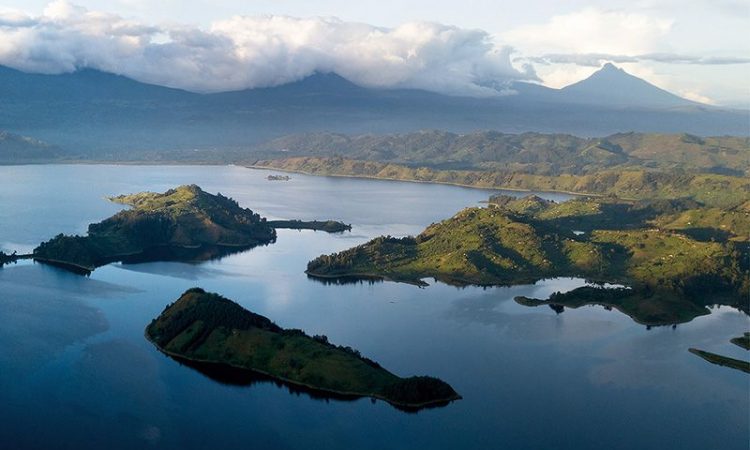
LAKES IN UGANDA
Lakes In Uganda
Uganda is often called the “Pearl of Africa,” and one of the reasons for this reputation is its remarkable collection of lakes. These lakes are not only geographically significant but also play a crucial role in the country’s climate, economy, biodiversity, and culture. Uganda’s lakes are part of the larger East African Rift system and include both freshwater and crater lakes, each with unique characteristics.
🌊 Major Lakes in Uganda
Lake Victoria
Lake Victoria is the largest lake in Africa and the second-largest freshwater lake in the world. It is shared by Uganda, Kenya, and Tanzania, but a significant portion lies within Uganda.
Analysis:
- It is the main source of the Nile River
- Supports fishing industries (especially Nile perch and tilapia)
- Influences rainfall and climate in central Uganda
- Encourages tourism activities like boat cruises and island visits
Lake Victoria is economically vital, providing livelihoods for millions through fishing, transport, and tourism.
Lake Albert
Located in western Uganda along the border with the Democratic Republic of Congo, Lake Albert is part of the Albertine Rift Valley.
Analysis:
- Rich in fish and supports local fishing communities
- Surrounded by oil-rich regions, making it economically strategic
- Less developed for tourism but highly important for natural resources
- Habitat for diverse wildlife, especially birds
Lake Edward
Lake Edward lies within Queen Elizabeth National Park and is connected to Lake George by the Kazinga Channel.
Analysis:
- Important for tourism due to its location in a national park
- Supports wildlife such as hippos, crocodiles, and birds
- Fishing is controlled to protect the ecosystem
- Scenic beauty attracts visitors and researchers
Lake George
Lake George is smaller but ecologically significant.
Analysis:
- Connected to Lake Edward through the Kazinga Channel
- Supports biodiversity, especially birdlife
- Important for local fishing and small-scale agriculture
- Plays a role in maintaining the ecosystem of the national park
Lake Kyoga
Lake Kyoga is located in central Uganda and is surrounded by swamps and wetlands.
Analysis:
- Acts as a natural water storage basin
- Important for fishing and transport in rural areas
- Wetlands around it support bird species and agriculture
- Plays a role in regulating water flow in the Nile system
🌿 Crater Lakes and Smaller Lakes
Uganda also has many crater lakes, especially in western regions near Fort Portal. These were formed by volcanic activity and are often small but very deep and scenic.
Analysis:
- Important for tourism due to their beauty
- Support local communities with water and small-scale fishing
- Sensitive ecosystems that require conservation
🌍 Overall Importance of Ugandan Lakes
Ugandan lakes are extremely important in several ways:
1. Economic Value
They support fishing industries, transport, tourism, and even oil exploration (especially near Lake Albert).
2. Environmental Role
Lakes regulate climate, support biodiversity, and maintain ecosystems. Wetlands around lakes act as natural filters and protect against floods.
3. Cultural Significance
Many communities living near lakes depend on them for daily life, food, and traditions. Lakes are often part of local stories and beliefs.
4. Tourism and Recreation
From boat cruises on Lake Victoria to wildlife viewing near Lake Edward, lakes attract both local and international tourists.
⚠️ Challenges
Despite their importance, Ugandan lakes face several challenges:
- Pollution from urban and industrial waste
- Overfishing
- Climate change affecting water levels
- Encroachment on wetlands
✅ Conclusion
Uganda’s lakes are among its most valuable natural resources. They are not only beautiful but also essential for the country’s economy, environment, and culture. Protecting these lakes is crucial for sustainable development and for preserving Uganda’s natural heritage for future generations.