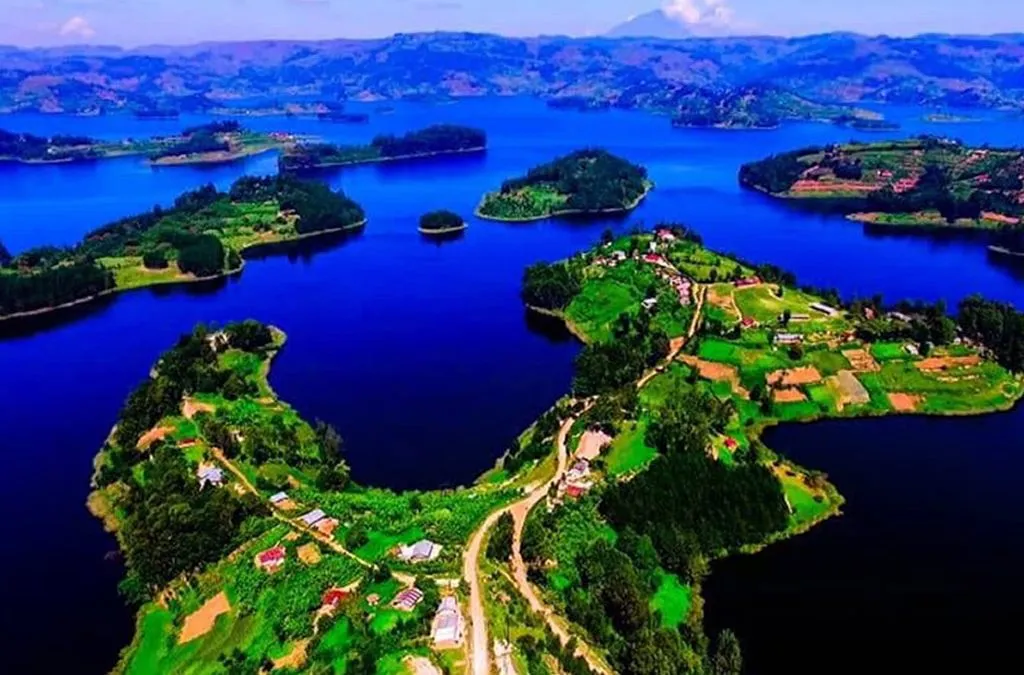
LAKE VICTORIA IN KENYA
Lake Victoria In Kenya
Lake Victoria, a vast and historically significant body of water that Kenya shares with its neighbors, Uganda and Tanzania. Covering approximately 68,800 square kilometers, Lake Victoria is not only the largest lake in Kenya but also the largest lake in Africa and the second-largest freshwater lake in the world by surface area, after Lake Superior.
In Kenya, Lake Victoria lies in the western part of the country, forming a natural border with Uganda and Tanzania. The Kenyan portion of the lake is smaller compared to the sections belonging to the other two countries, but it plays a crucial role in the country’s economy, culture, and ecology. The lake’s shoreline in Kenya stretches across several counties, including Kisumu, Siaya, Homa Bay, and Migori, with Kisumu being the largest city located on its shores. Kisumu serves as a major port and commercial hub, linking Kenya to regional trade routes across East Africa.
Lake Victoria is a vital source of livelihood for millions of people. Fishing is the most prominent economic activity associated with the lake. The lake is home to a wide variety of fish species, including Nile perch, tilapia, and dagaa (small sardine-like fish). The introduction of Nile perch in the 20th century significantly transformed the lake’s ecosystem and boosted the fishing industry, making Kenya one of the leading exporters of freshwater fish in Africa. However, this introduction also led to the decline and extinction of many native fish species, highlighting the delicate balance of aquatic ecosystems.
Beyond fishing, Lake Victoria supports agriculture through irrigation and provides water for domestic and industrial use. The fertile soils around the lake basin make it an important agricultural region where crops such as sugarcane, maize, and rice are cultivated. Additionally, the lake plays a role in transportation, with ferries and boats connecting communities and facilitating trade between Kenya, Uganda, and Tanzania.
The lake also holds cultural and historical importance. Local communities, such as the Luo people in Kenya, have deep cultural ties to the lake, relying on it for sustenance and incorporating it into their traditions, folklore, and daily life. Historically, Lake Victoria gained international attention during the exploration of Africa in the 19th century. It was named by the British explorer John Hanning Speke in honor of Queen Victoria after he identified it as a primary source of the Nile River, one of the longest rivers in the world.
Environmental challenges currently threaten Lake Victoria. Pollution from urban areas, agricultural runoff, and industrial waste has degraded water quality. Additionally, invasive species such as the water hyacinth have disrupted fishing and transportation by clogging waterways. Climate change has also contributed to fluctuating water levels and changing weather patterns, which affect both the lake’s ecosystem and the communities that depend on it.
Efforts have been made by regional governments and organizations to conserve and manage Lake Victoria sustainably. Initiatives include controlling invasive species, improving waste management, and promoting sustainable fishing practices. Despite these challenges, Lake Victoria remains a vital natural resource and a cornerstone of life in western Kenya, supporting millions of people and contributing significantly to the region’s economy and heritage.