
KITULO NATIONAL PARK
Kitulo National Park
📍 Location
Kitulo National Park is located in the Southern Highlands of Tanzania, mainly within the Mbeya Region. It lies west of Mbeya and is accessible via road from both Mbeya and Songea. Unlike the more popular savannah parks of northern Tanzania, Kitulo is unique because it is a montane park, situated at high elevations ranging from 2,200 to 2,600 meters above sea level. Its remote location has preserved much of its pristine environment, making it a hidden gem for nature enthusiasts.
🌿 Overview of Kitulo National Park
Kitulo National Park is famously known as the “Garden of God” due to its spectacular display of alpine flowers. Established in 2005, the park covers an area of approximately 413 square kilometers, making it one of Tanzania’s smaller national parks. Despite its size, Kitulo is ecologically significant for its high biodiversity and unique montane ecosystem.
The park is distinct from typical Tanzanian parks because it is dominated by montane grasslands and upland forests rather than the vast savannahs. Its high altitude and cool climate support a variety of plants and wildlife not found elsewhere in the country.
🌄 Landscape and Vegetation
Kitulo’s landscape is characterized by rolling montane grasslands, deep valleys, and scattered patches of montane forests. The park sits on a high plateau with undulating hills and occasional rocky outcrops, providing dramatic scenery and panoramic views.
Vegetation:
- Montane grasslands dominate the park and support its famous wildflowers.
- Afromontane forests contain species such as Podocarpus and Hagenia trees.
- Endemic flora: Kitulo is home to more than 350 plant species, including several orchids, ground lilies, and lobelias that bloom during the rainy season (November to April).
- Medicinal plants: Local communities recognize many plants here for their medicinal properties, highlighting the park’s cultural as well as ecological value.
The combination of high-altitude grasslands and forest patches creates a diverse environment that supports both plant and animal life.
🐾 Wildlife
While Kitulo is not known for large predators, it is an important refuge for montane and endemic species:
- Small mammals such as rodents and shrews
- Bushbuck, hyraxes, and small antelope species
- Over 200 bird species, including the endemic Kipengere seedeater and others adapted to high-altitude grasslands
Kitulo is particularly significant for pollinators such as bees and butterflies, which thrive among the floral diversity.
🚙 Visitor Experience
Visiting Kitulo National Park offers a very different safari experience compared to traditional savannah parks. Key experiences include:
- Flower Trekking: Visitors can witness carpets of wildflowers in bloom during the rainy season.
- Birdwatching: Spotting endemic and montane bird species across the grasslands and forests.
- Hiking and Nature Walks: The terrain is ideal for trekking, offering peaceful trails and scenic views.
- Cultural Encounters: Nearby communities provide insights into traditional uses of local plants and conservation practices.
Because the park is less crowded, visitors often enjoy solitude and a closer connection to nature, making it ideal for photographers, botanists, and hikers.
🗺️ Map Overview
Kitulo National Park lies in the highlands of southern Tanzania, near the towns of Mbeya and Songea. Its location in the highlands, away from the more visited northern safari circuit, gives it a unique ecological character.
✅ Conclusion
In conclusion, Kitulo National Park is one of Tanzania’s most unique protected areas. Its high-altitude montane grasslands, abundant wildflowers, endemic plants, and specialized wildlife set it apart from other national parks in the country.
The park offers a peaceful and immersive experience for visitors interested in flora, birds, and hiking rather than traditional big-game safaris. Its combination of ecological richness, scenic landscapes, and cultural significance makes Kitulo a true hidden treasure.
Overall, Kitulo National Park is ideal for travelers seeking tranquil, scenic, and educational encounters with nature, particularly those fascinated by flowers, highland ecosystems, and biodiversity conservation.
Key facts
- Established: 2005
- Area: ~412 km² (159 mi²)
- Elevation: 2,600–3,000 m (8,500–9,800 ft)
- Governing body: Tanzania National Parks Authority (TANAPA)
- Best season: December–April (peak wildflower bloom)
Landscape and ecology
The park protects the flower-rich Kitulo Plateau and adjacent Livingstone Forest Reserve. Its montane grasslands, interspersed with wetlands and forest patches, host over 350 plant species, including more than 45 types of orchids. Volcanic soils and a cool, misty climate support lilies, proteas, aloes, and giant lobelias, many endemic to southern Tanzania. This plateau also forms an important watershed feeding the Great Ruaha River basin.
Wildlife and birdlife


5
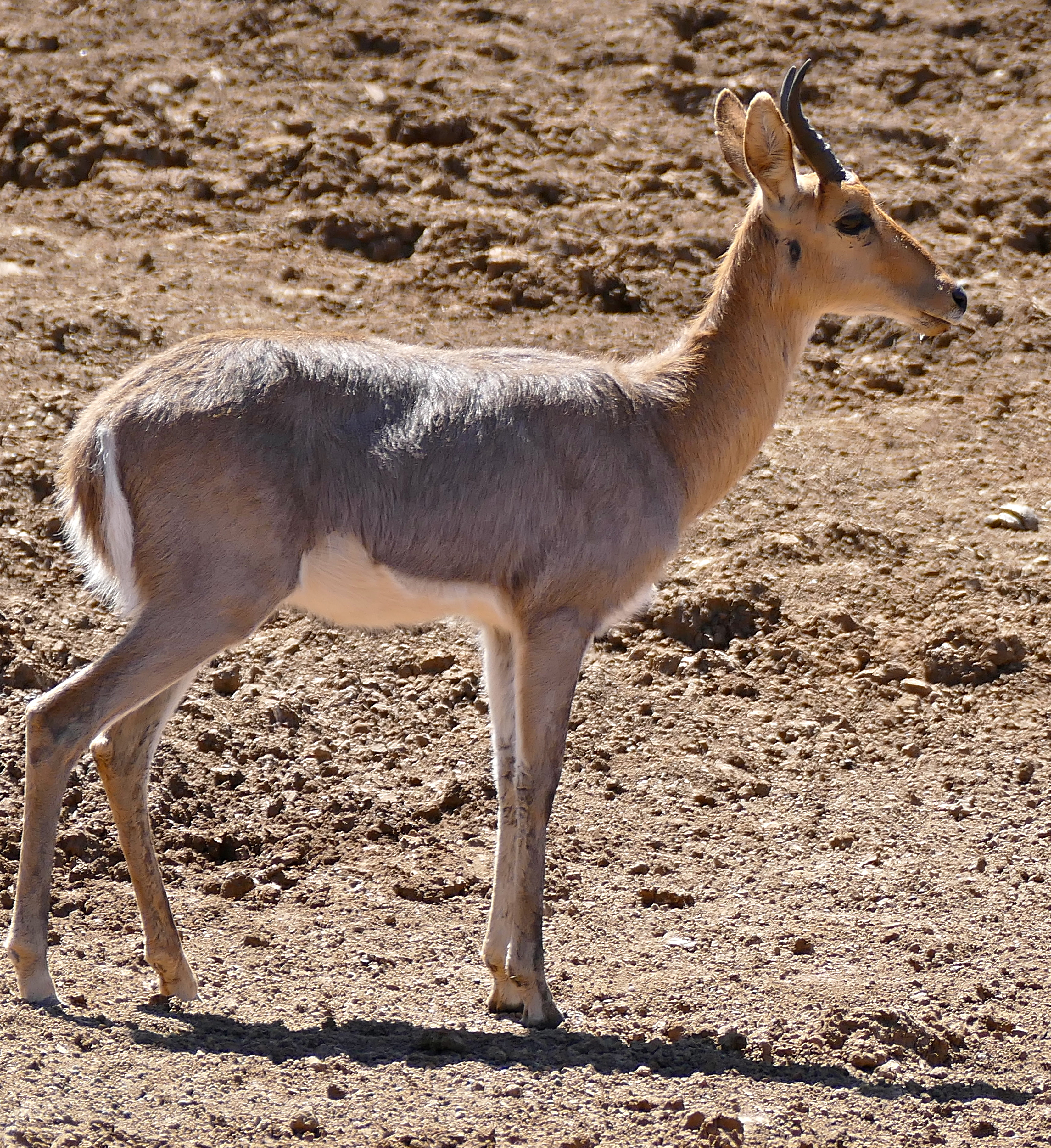
Though dominated by flora, Kitulo shelters unique fauna adapted to its cool heights. Visitors may spot mountain reedbuck, eland, klipspringer, and the rare Kipunji monkey—one of Africa’s most recently discovered primate species. The park is a birdwatcher’s haven, home to Tanzania’s only population of Denham’s bustard, the endangered blue swallow, and endemic species such as the Kipengere seedeater and Njombe cisticola.
Tourism and access
Kitulo lies about 100 km from Mbeya and is reached via a scenic 4×4 route known as Hamsini na Saba (“57”) for its many hairpin bends. The park offers hiking, birdwatching, and wildflower excursions rather than traditional game drives. Trails lead across open grasslands to waterfalls such as Nhumbe and to panoramic viewpoints over the Livingstone Mountains. Basic accommodation and campsites are available near Matamba village.
Conservation significance
Gazetted in 2005, Kitulo marked a milestone in African conservation as the first park created to safeguard floristic biodiversity. Managed by TANAPA, it preserves one of East Africa’s largest montane grassland ecosystems and vital high-altitude watersheds. Ongoing initiatives focus on sustainable tourism, local community involvement, and the protection of orchids from illegal collection.
Kitulo National Park remains a quiet sanctuary of color and tranquility—an alpine meadow landscape that embodies Tanzania’s commitment to protecting its highland natural heritage.