
LAKE NAKURU NATIONAL PARK
Lake Nakuru National Park
Lake Nakuru National Park is a protected area in central Kenya centered on Lake Nakuru, a shallow alkaline lake renowned for its large populations of flamingos and diverse wildlife. It is one of Kenya’s most accessible national parks, celebrated for its birdlife, scenic landscapes, and conservation programs for endangered species.
Key facts
- Location: Nakuru County, Kenya
- Established: 1961
- Area: Approximately 188 square kilometers
- Governing body: Kenya Wildlife Service
- UNESCO status: Part of the Kenya Lake System World Heritage Site (2011)
Ecology and wildlife


4
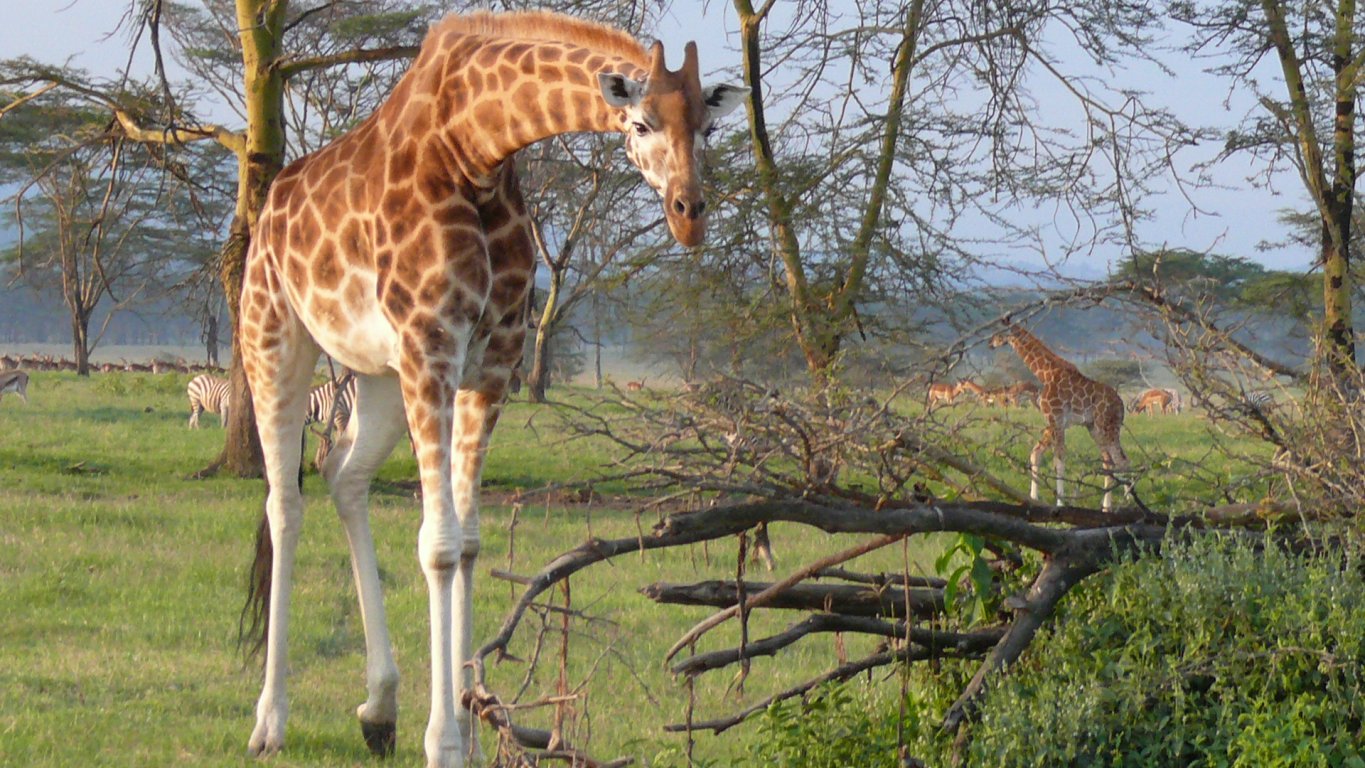
Lake Nakuru’s high alkalinity supports abundant algae, attracting hundreds of thousands of lesser and greater flamingos. The park also shelters over 450 bird species and numerous mammals, including black and white rhinos, lions, leopards, Rothschild’s giraffes, and waterbucks. Its diverse habitats include open grasslands, rocky cliffs, euphorbia forests, and acacia woodlands.
Conservation significance
The park plays a vital role in Kenya’s rhino conservation strategy, hosting one of the country’s leading rhino sanctuaries. It also protects the endangered Rothschild’s giraffe, relocated there in the 1970s. As part of the Rift Valley lake system, the area supports crucial biodiversity and migratory bird populations recognized globally under the Ramsar Convention.
Tourism and access
Lake Nakuru National Park lies about 160 kilometers northwest of Nairobi, easily reached via the Nairobi–Nakuru highway. Visitors enjoy game drives, birdwatching, and panoramic viewpoints such as Baboon Cliff and Lion Hill. The park’s compact size allows for rewarding day trips and eco-lodge stays that promote sustainable tourism.
Environmental challenges
Fluctuating lake levels, pollution from nearby urban and agricultural activities, and climate-related flooding have altered the park’s ecosystems in recent years. Conservation authorities continue to manage these threats through habitat restoration, water quality monitoring, and community engagement initiatives.