
MAASAI MARA NATIONAL RESERVE
Maasai Mara National Reserve
The Maasai Mara National Reserve is a protected wildlife area in southwestern Kenya, world-renowned for its rich biodiversity and dramatic savanna landscapes. It is part of the greater Mara-Serengeti ecosystem, hosting one of the most spectacular animal migrations on Earth—the Great Wildebeest Migration.
Key facts
- Location: Narok County, Kenya
- Established: 1961
- Area: About 1,510 square kilometers (583 square miles)
- Ecosystem: Savannah grassland and riverine forest
- Notable species: Lions, elephants, wildebeest, cheetahs, zebras
Geography and Ecosystem


4
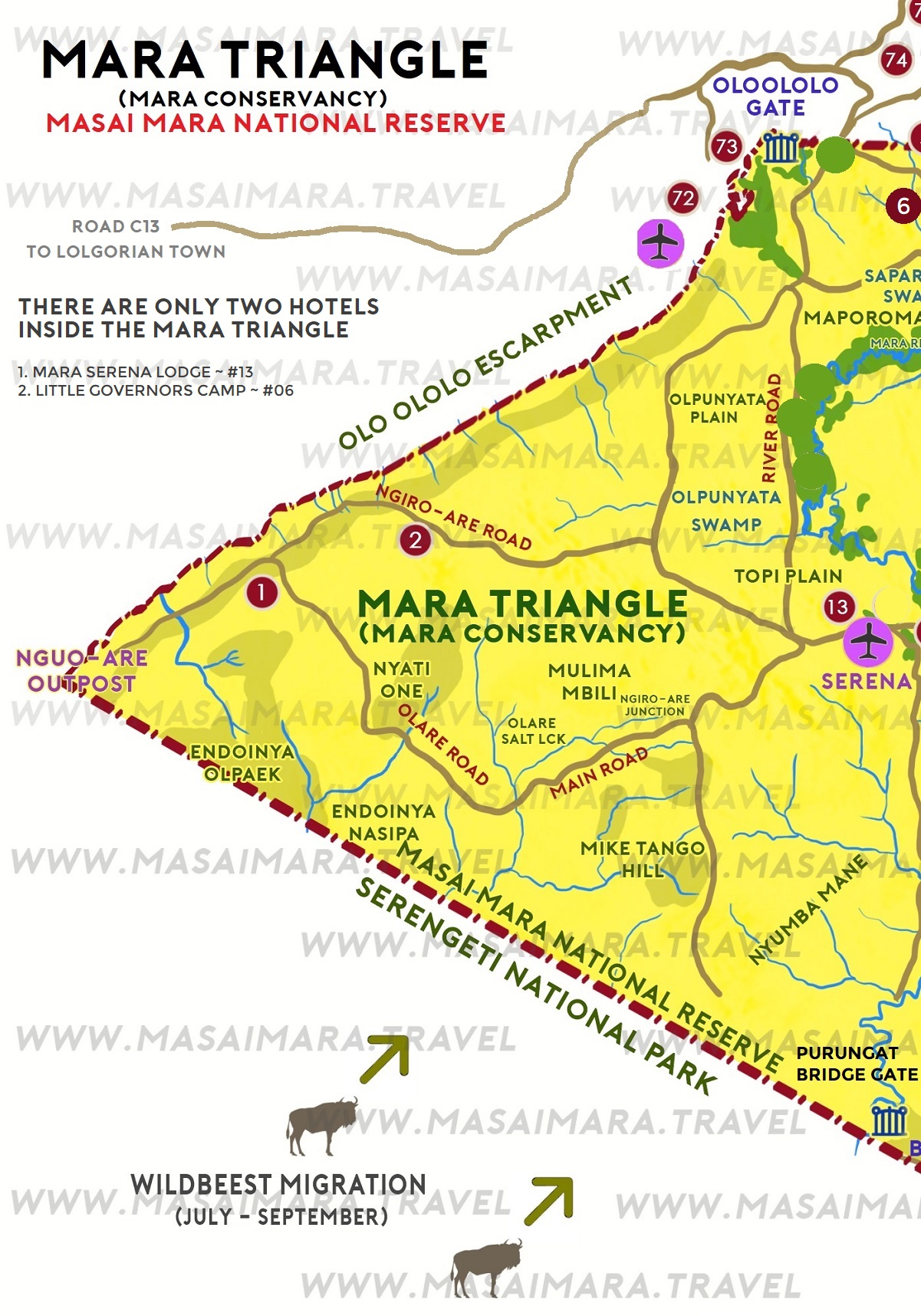
The reserve lies along Kenya’s border with Tanzania, forming a continuous wildlife corridor with the Serengeti National Park. It features open plains, rolling hills, and the meandering Mara and Talek rivers, which sustain a dense concentration of animals year-round. The landscape’s varied habitats support over 95 mammal species and more than 470 bird species.
The Great Migration
Each year, around 1.5 million wildebeest, accompanied by zebras and gazelles, migrate from the Serengeti into the Maasai Mara in search of fresh grazing. This migration, peaking between July and October, is often called one of the “Seven New Wonders of the World” and attracts visitors and researchers globally.
Cultural Significance
The reserve is named after the Maasai people, traditional pastoralists who have lived in harmony with the land for centuries. Their cultural practices, vibrant attire, and semi-nomadic lifestyle form an integral part of the region’s identity. Community conservancies around the reserve also help balance conservation with local livelihoods.
Conservation and Tourism
Maasai Mara is managed by the Narok County Government in partnership with local communities. Conservation efforts focus on habitat preservation, anti-poaching, and sustainable tourism. The area is a premier safari destination, offering opportunities to see the “Big Five” and experience Kenya’s wildlife heritage in one of the most accessible natural reserves in Africa.
Animals the Maasai Mara is Best Known For.
🦁 1. The “Big Five”
These are the most famous animals tourists come to see:
- Lion – Very common; the Mara has one of the highest lion populations in Africa
- Elephant – Often seen in family groups across the plains
- Leopard – Rare but found resting in trees
- Buffalo – Found in large herds
- Rhinoceros – Very rare but present in protected areas
These animals are iconic and represent Africa’s most powerful wildlife species.
🐆 2. Big Cats (Predators)
The Maasai Mara is especially famous for predators:
- Lions (most dominant)
- Cheetahs (fastest land animals)
- Leopards (stealthy hunters)
- Hyenas (very numerous and intelligent scavengers)
The reserve has one of the highest densities of big cats in the world.
🐃 3. Herbivores (Plant-Eating Animals)
Large grazing animals are everywhere in the Mara:
- Wildebeest
- Zebras
- Gazelles
- Giraffes
- Antelopes like impala and topi
These animals form the main food source for predators and are seen in huge numbers.
🐊 4. River Animals
Near rivers like the Mara River:
- Hippos (live in water during the day)
- Crocodiles (dangerous predators during migration crossings)
🦅 5. Birds
The reserve has over 450 bird species, including:
- Eagles
- Vultures
- Ostriches
- Crowned cranes
This makes it a paradise for bird watchers.
🌊 The Great Migration (Most Famous Feature)
One of the most important reasons the Maasai Mara is famous is the Great Migration.
Every year:
- Over 1.5 million wildebeest
- Thousands of zebras and gazelles
move from the Serengeti into the Maasai Mara in search of fresh grass. During this time, animals cross the Mara River, facing crocodiles and predators.
This event is considered one of the greatest natural spectacles in the world.
🌿 Why the Maasai Mara is Unique
- It has one of the highest wildlife densities in Africa
- Animals roam freely without fences
- It supports both predators and prey in large numbers
- It combines wildlife with Maasai cultural heritage
Almost 40% of Africa’s large mammals can be found in this ecosystem despite its relatively small size.
✅ Conclusion
The Maasai Mara National Reserve is one of the most important wildlife areas in the world. Located in southwestern Kenya near the Tanzanian border, it offers unmatched opportunities to see animals in their natural environment. From the powerful lions and elephants to the massive herds of wildebeest during the Great Migration, the reserve is a true symbol of African wildlife.
Its rich biodiversity, stunning landscapes, and famous animals make it not only Kenya’s top park but also one of the best safari destinations on Earth. Anyone interested in nature, tourism, or wildlife conservation will find the Maasai Mara to be an extraordinary and unforgettable place.