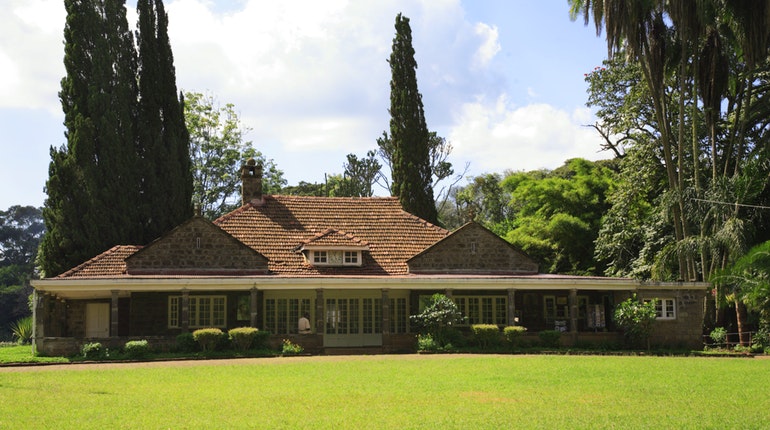
THE KAREN BLIXEN MUSEUM
The Karen Blixen Museum
The Karen Blixen Museum in Nairobi, Kenya, is a preserved colonial-era farmhouse dedicated to the Danish author Karen Blixen, best known for Out of Africa. The museum offers insight into her life and Kenya’s colonial past, drawing literary and historical visitors from around the world.
Key facts
- Location: Karen suburb, Nairobi, Kenya
- Opened: 1986
- Former residence: 1917–1931
- Managed by: National Museums of Kenya
- Famous work connection: Out of Africa (1937)
Historical background
The farmhouse was built in 1912 and became Karen Blixen’s home when she moved to British East Africa to manage a coffee plantation with her husband, Baron Bror Blixen. The estate, situated at the foot of the Ngong Hills, inspired much of her writing, particularly her memoir Out of Africa, which depicts her experiences and relationship with the Kenyan landscape and people.
Museum establishment
Following Kenya’s independence, the house gained heritage recognition for its literary and cultural importance. It was opened to the public in 1986, coinciding with the release of the Oscar-winning film adaptation of Out of Africa. The surrounding suburb, “Karen,” was named after Blixen, underscoring her lasting local influence.
Exhibits and features


5
The museum preserves original furniture, photographs, and personal artifacts from Blixen’s life. Visitors can explore the main house, coffee farm equipment, and scenic gardens. Guided tours provide context on early 20th-century settler life and the author’s literary legacy.
Cultural significance
The Karen Blixen Museum serves as both a literary pilgrimage site and a reflection of Kenya’s colonial heritage. It symbolizes cross-cultural encounters of its era while celebrating Blixen’s contribution to world literature and Nairobi’s historical landscape.